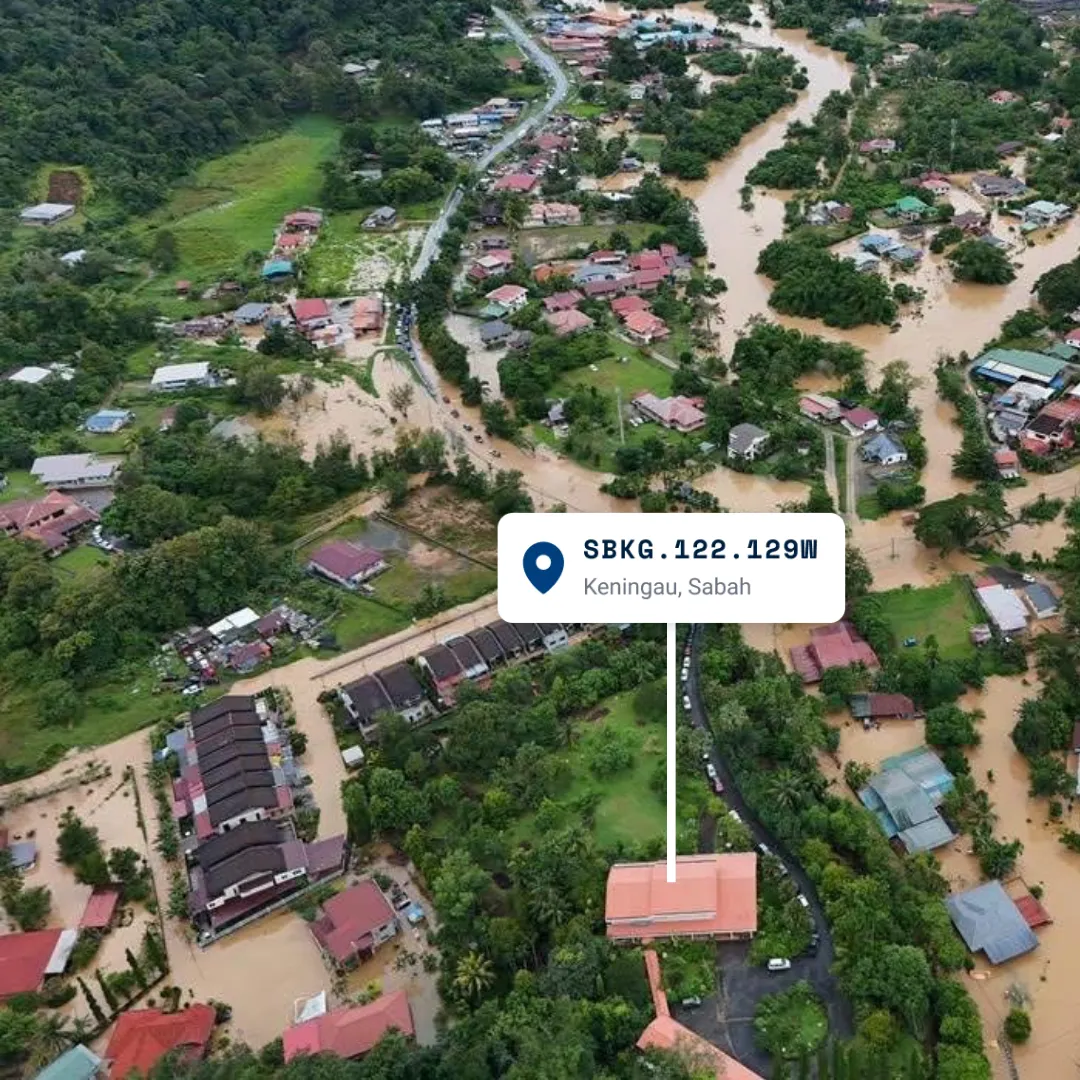
Why Malaysia's logistics sector needs grid codes
Poslaju, J&T, and DHL process millions of parcels monthly. Rural delivery still breaks down when the last address detail is missing.
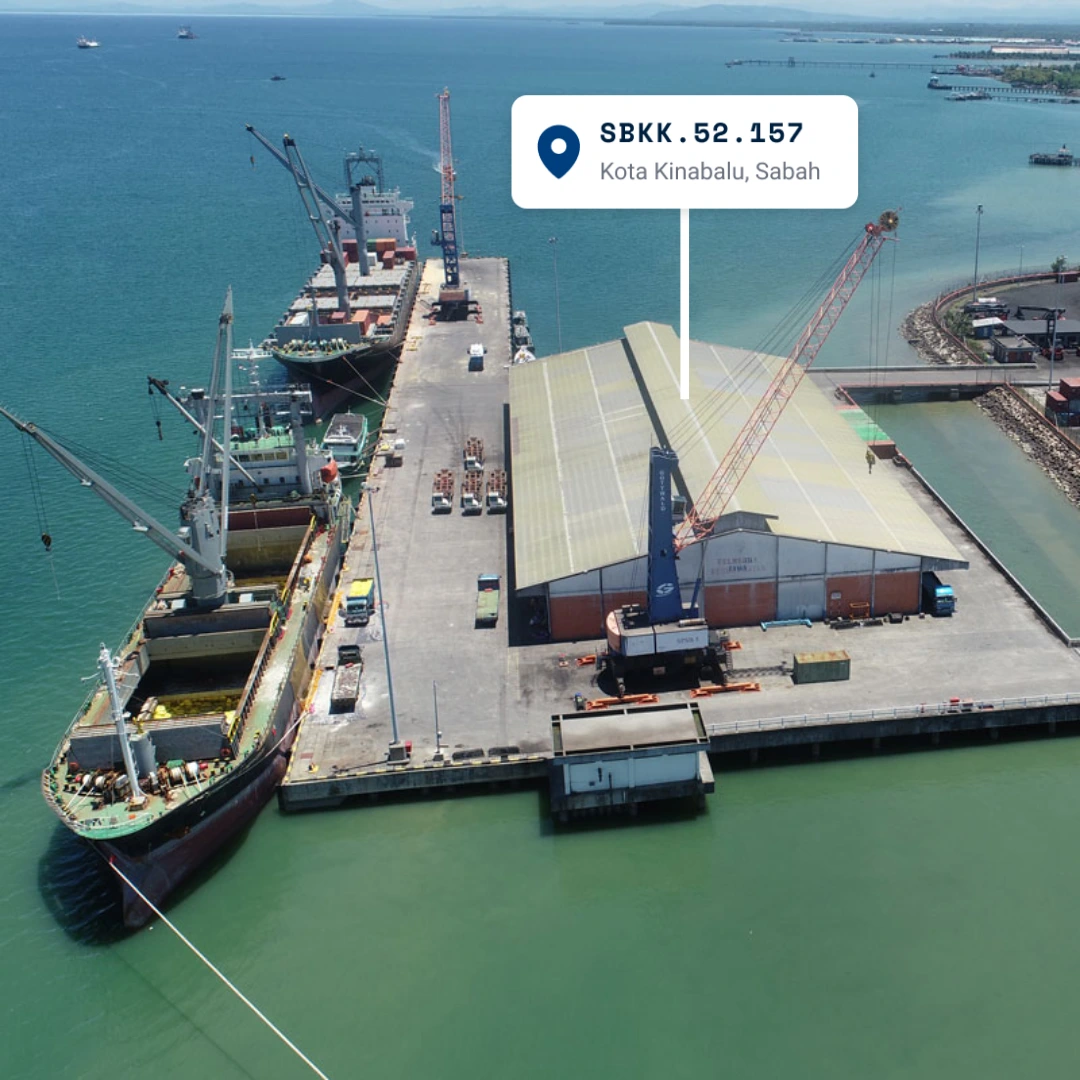
A warehouse can sort a parcel perfectly and still lose the last mile. That is what rural addressing does: it shifts the problem from the system to the driver. The parcel has already passed through scanners, pallets, and route planning software, but none of that matters when the van reaches a village and the final handoff depends on memory. The dispatch screen might be clean. The route sheet might be correct. The driver still has to find a place that was never given a proper address in the first place.
Malaysia's e-commerce growth is pushing more parcels into areas where traditional addressing is weakest. The label prints, the manifest closes, the truck rolls out, and then the driver reaches a village where the house name is known but the location is not. That is when the phone starts ringing. The customer says they are near a surau. The driver says they can see three suraus. Both are right, and both are stuck. In a depot, that looks like a small delay. On the road, it turns into a full extra loop and one more parcel at the bottom of the stack.
The last-mile cost
Every failed first attempt means another fuel run, another customer call, another entry in the returns queue. Multiply that by hundreds of parcels and the waste stops looking small. It becomes a line item in the month-end report and a problem the warehouse team cannot ignore. It also creates a habit of caution: drivers slow down, call more often, and stop trusting the first pin they see.
Why one short code matters
If a parcel label includes SBKK.0765.388, the warehouse, the driver, and the customer are all referring to the same exact point. The conversation stops being "near the surau" or "after the second bend" and becomes one code that everybody can reuse.
That is useful at homes, and it is just as useful at depots, loading bays, collection points, and temporary logistics yards. The system becomes less dependent on vague descriptions and staff memory, which means fewer call-backs, fewer wrong turns, and fewer parcels waiting overnight. In practice, it gives the logistics chain one shared language that survives poor signage, weak coverage, and a driver who has never been to the area before.
Where to go next
If this article matches the location problem you are dealing with, continue to the pages that explain the product, the feature set, and the proof behind it.