A longhouse needs one shareable location, not fourteen directions
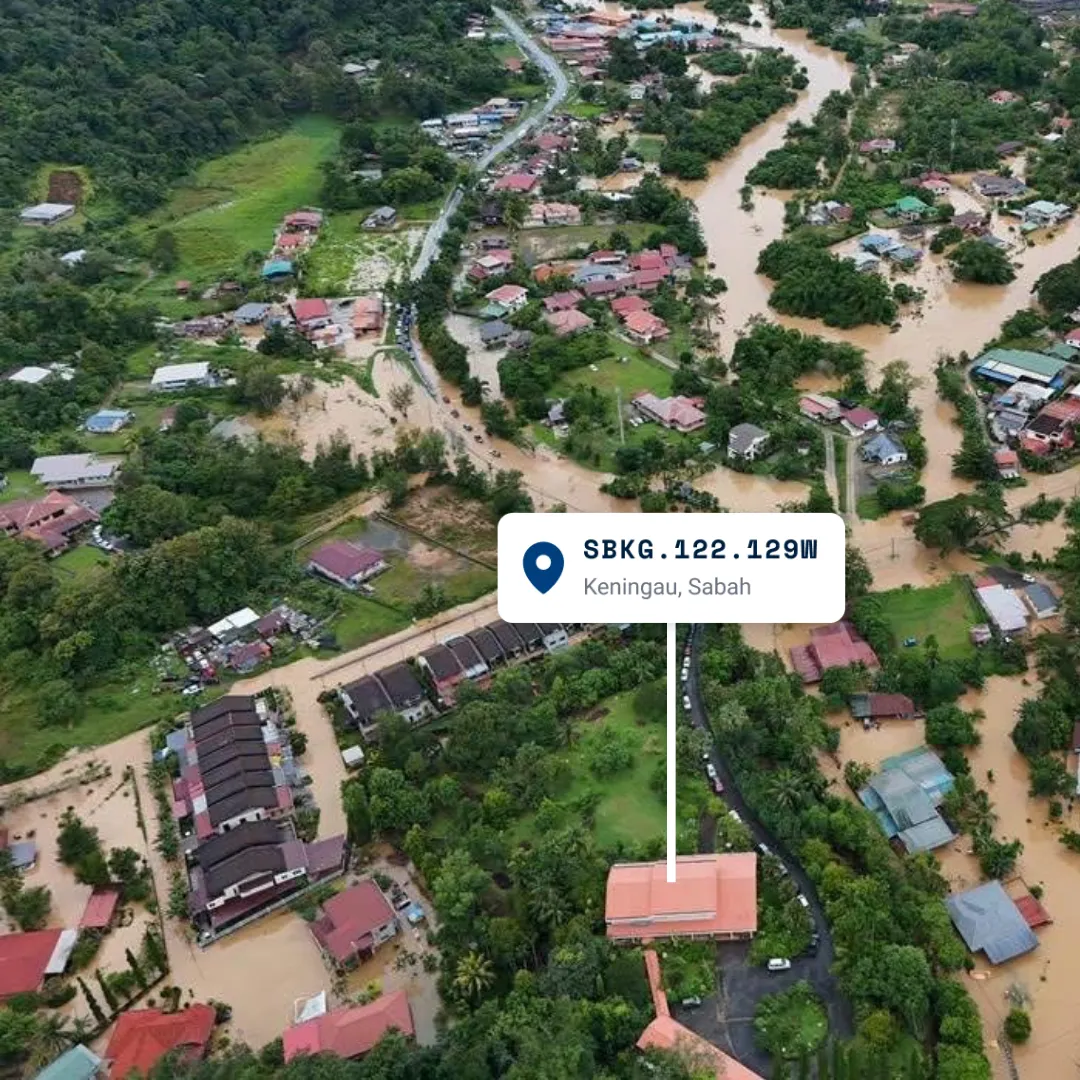
Longhouses and clustered village homes are hard for outsiders to navigate because they do not map neatly to a single house-number system.
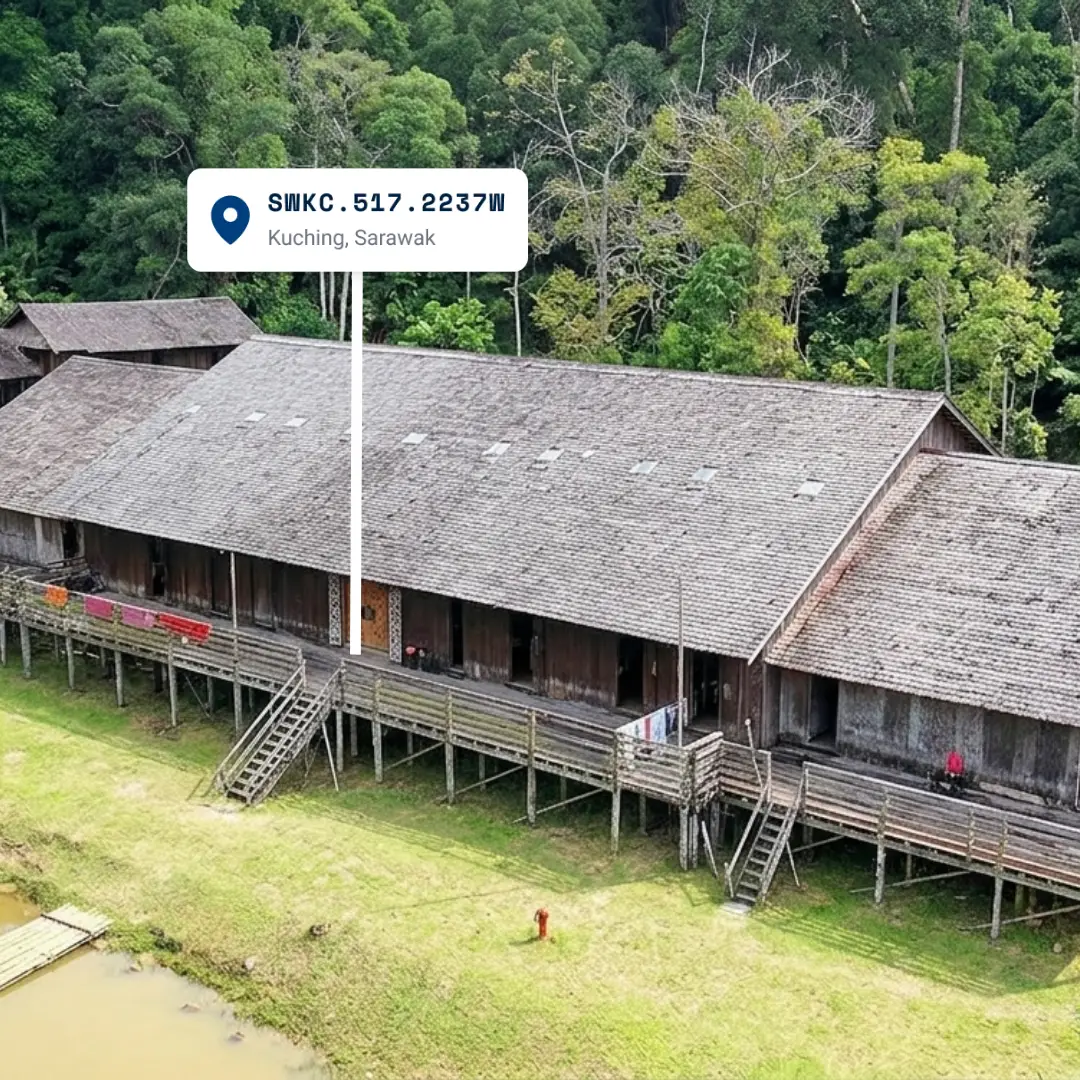
A longhouse is not one front door. It is a line of homes, shared spaces, storage areas, and often a road that ends before the building does. Visitors usually know the longhouse name from word of mouth, but that still leaves them driving slowly up and down the access road, looking for the right entrance. Someone inside can spot the right car immediately. Someone outside has only the name and a rough memory of the turn-off.
That creates a real addressing problem. The family inside knows exactly where to stand. The contractor, school van, or clinic team arriving for the first time does not. A delivery driver can miss the correct driveway. A nurse can stop at the wrong end of the compound. A visitor can call three times and still not be sure they are at the right house.
One reference that everyone can use
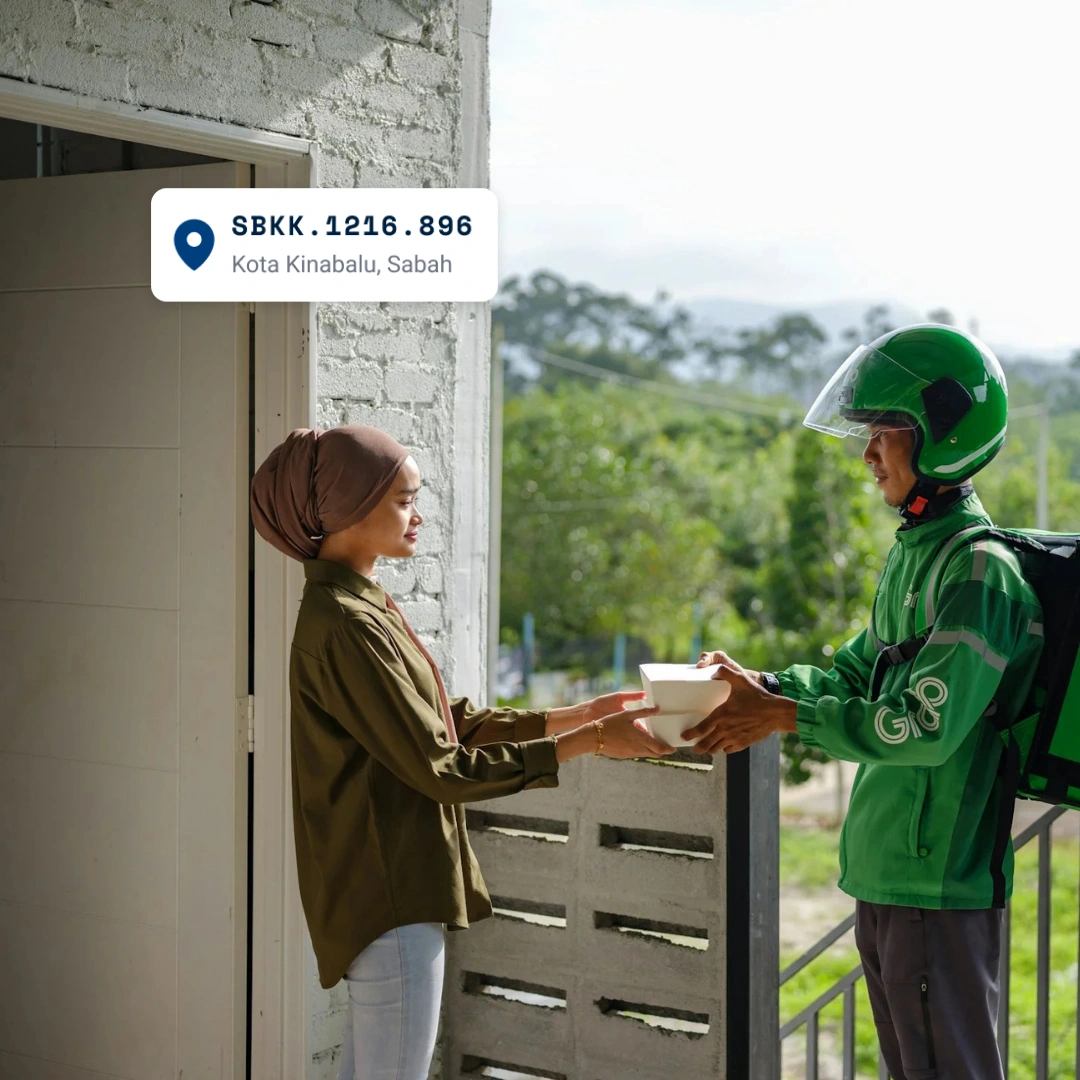
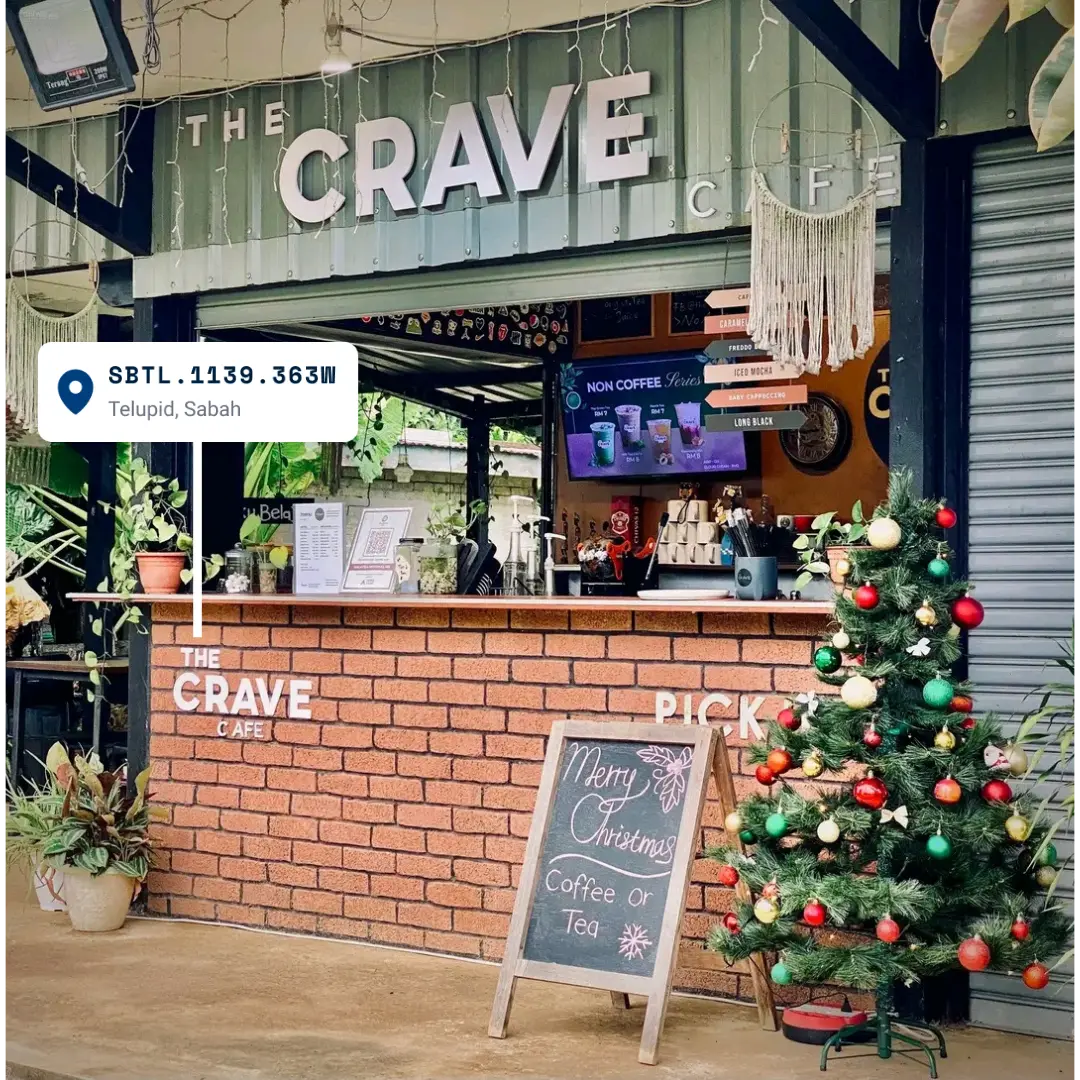
With SBRD.0312.145, the community can share one exact arrival point for medical outreach, school transport, supply deliveries, and visitors from outside the area. The code gives everyone the same target, whether they are arriving by car, motorbike, or pickup truck.
It does not erase local naming. It gives the place a location reference that works for people who are not already from there, and it turns a long explanation into one code somebody can read back over the phone. That is the difference between a place that locals know and a place that outsiders can actually reach.
Where to go next
If this article matches the location problem you are dealing with, continue to the pages that explain the product, the feature set, and the proof behind it.